Agroecological food system Living labs
for Farm and landscape Transformation
LIFT responds to the urgent need for agroecological transformation of landscapes and food systems. The project applies a food systems approach in which targeted public procurement of regional, seasonal and agroecological food acts as a driver for change.
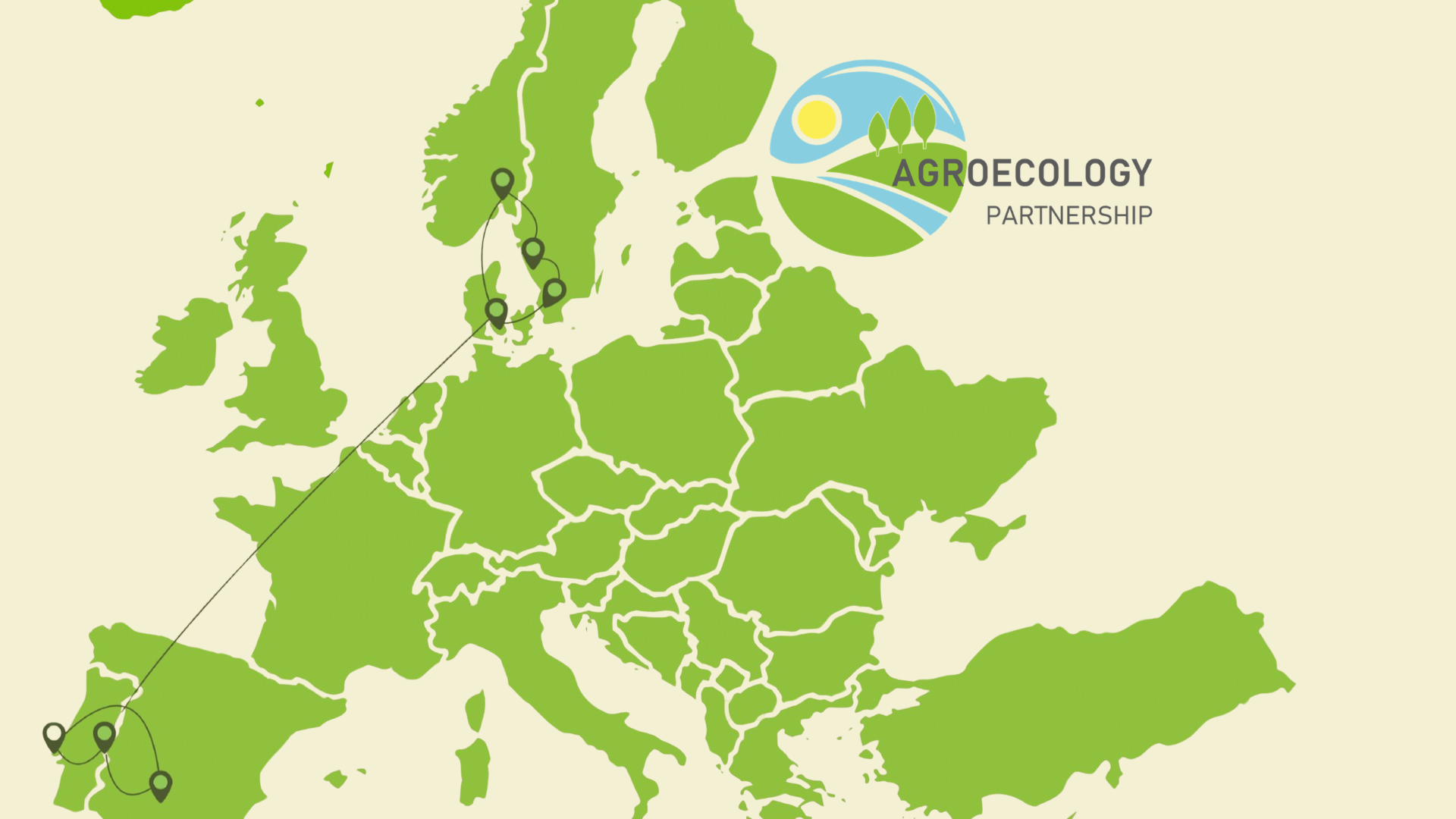
Living Labs are established in southwestern Europe (Portugal and Spain) and northern Europe (Sweden, Denmark and Norway), where consortium partners are already engaged in initiatives connecting multiple actor groups across the food system.
The need for agroecological transformation
Current food systems are major drivers of climate change and environmental degradation while also creating challenges for the economic and social viability of farming communities, human nutrition and health, food security and food sovereignty.
Although agroecological principles and management have long been recognised for their potential to address these challenges, they remain insufficiently implemented.
The LIFT response
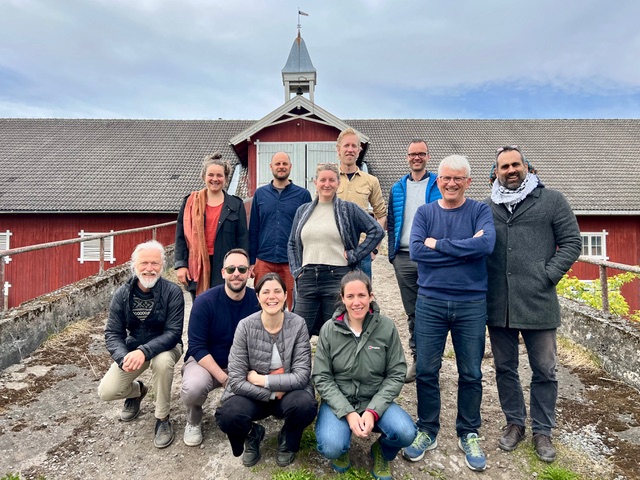
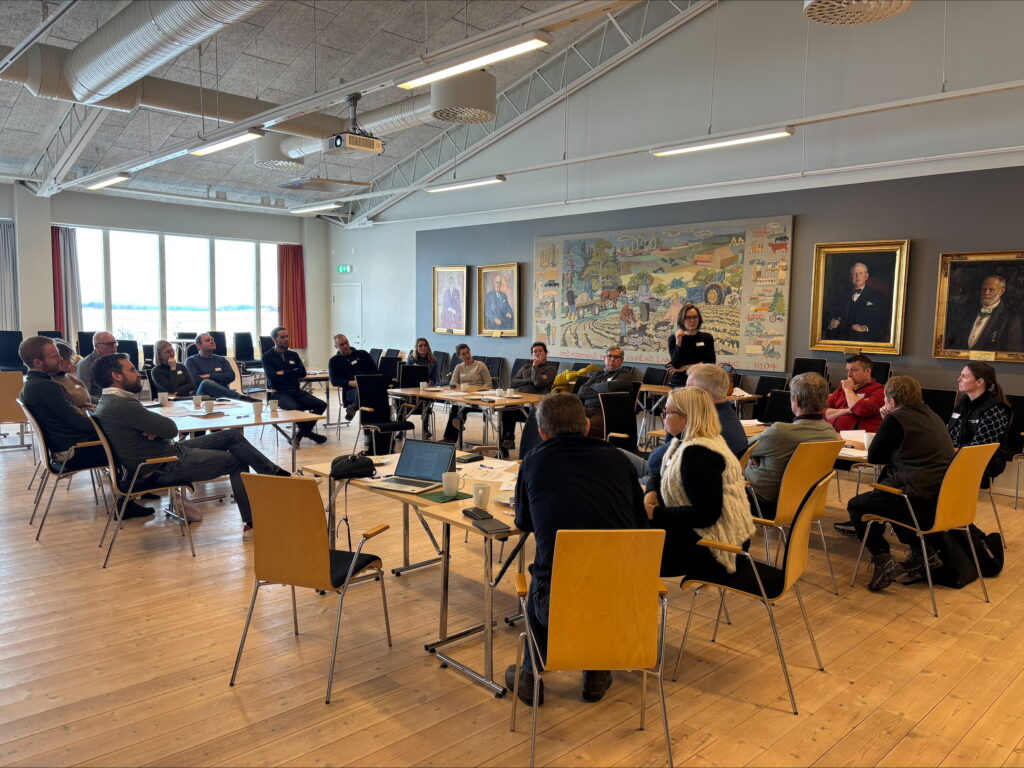
LIFT uses transdisciplinary and participatory Living Labs as platforms for collaboration between actors with diverse perspectives. Farmers, advisers, food actors, public authorities, citizens and researchers work together to explore solutions and support change in real-world contexts.
The Living Labs operate through iterative cycles of action research, including mapping the current situation, envisioning desired futures, and planning and implementing informed actions. Scientific evaluation accompanies the processes to assess ecological, economic and social outcomes.
News
Where we operate
LIFT builds on regional Living Labs in:
Southwestern Europe (Portugal and Spain)
Northern Europe (Sweden, Denmark and Norway)
These regions represent diverse environmental, socio-economic and governance contexts and enable cross-regional learning and collaboration.
Who participates in LIFT
Living Labs?
The project brings together actors across the food system, including:
Farmers and agroecological practitioners
Researchers and academics
Municipal decision-makers and procurement officials
Food distributors and sector representatives
Kitchen managers and public meal professionals
Community members and civil society actors
Together, these actors explore and test solutions for agroecological transformation of landscapes and regional food systems.
“Today’s food systems are one of the main drivers of climate change and environmental degradation, while also creating challenges for the economic and social viability of farming communities”
– Professor Tor Arvid Breland
Coordinator
Professor Tor Arvid Breland
Norwegian University of Life Sciences (NMBU)
tor.arvid.breland@nmbu.no
Partners
University of Lisbon – Association for Research and Development of Sciences (Portugal)
Svensk Kolinlagring (Sweden)
University of Córdoba (Spain)
University of Southern Denmark (Denmark)
Miljömatematik Malmö AB (Sweden)
Halmstad University (Sweden)
University of Extremadura (Spain)