The Spanish Living Labs
Horta-Cuina, Valencia
The Valencia Living Lab is situated within l’Horta de València, one of Europe’s most historic and culturally significant agricultural landscapes. Located along Spain’s Mediterranean coast around the city of Valencia, the region consists of irrigated farmland, wetlands, traditional villages and peri-urban agricultural areas shaped through more than a thousand years of food production and water management.
Recognised by the Food and Agriculture Organization of the United Nations (FAO) as a Globally Important Agricultural Heritage System (GIAHS), l’Horta de València represents a unique cultural landscape where agriculture, biodiversity, water governance and urban life remain closely interconnected. The historic irrigation networks originating from the Turia River, together with long-standing farming traditions and local food markets, continue to shape the region’s identity and food culture.
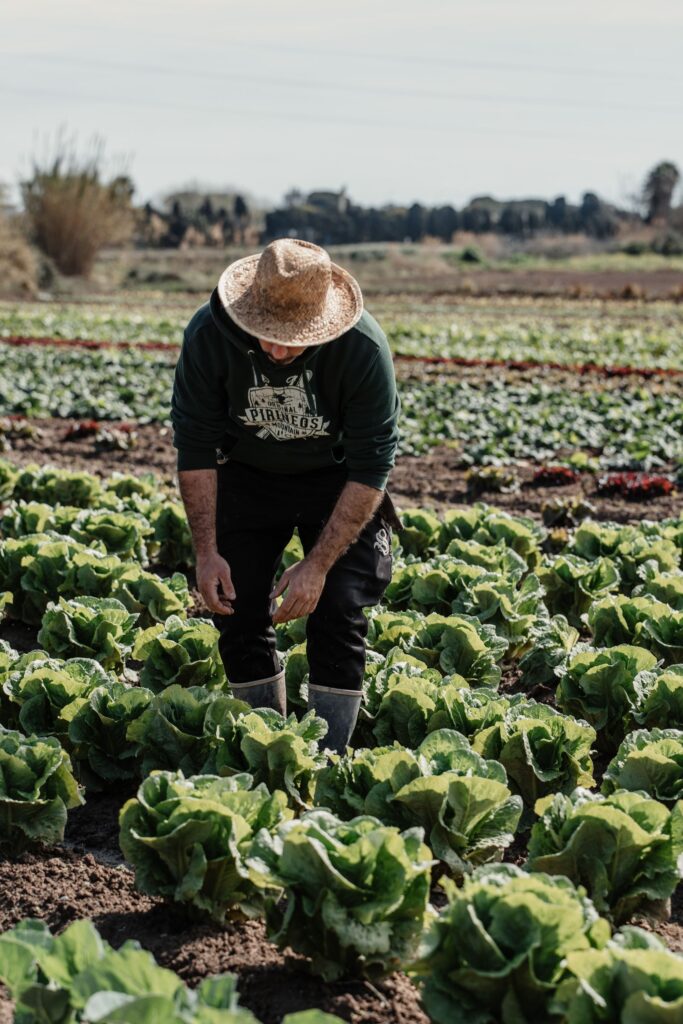
The Valencia Living Lab explores how agroecological food systems can contribute to territorial resilience, biodiversity, regional food security and the long-term viability of peri-urban farming.
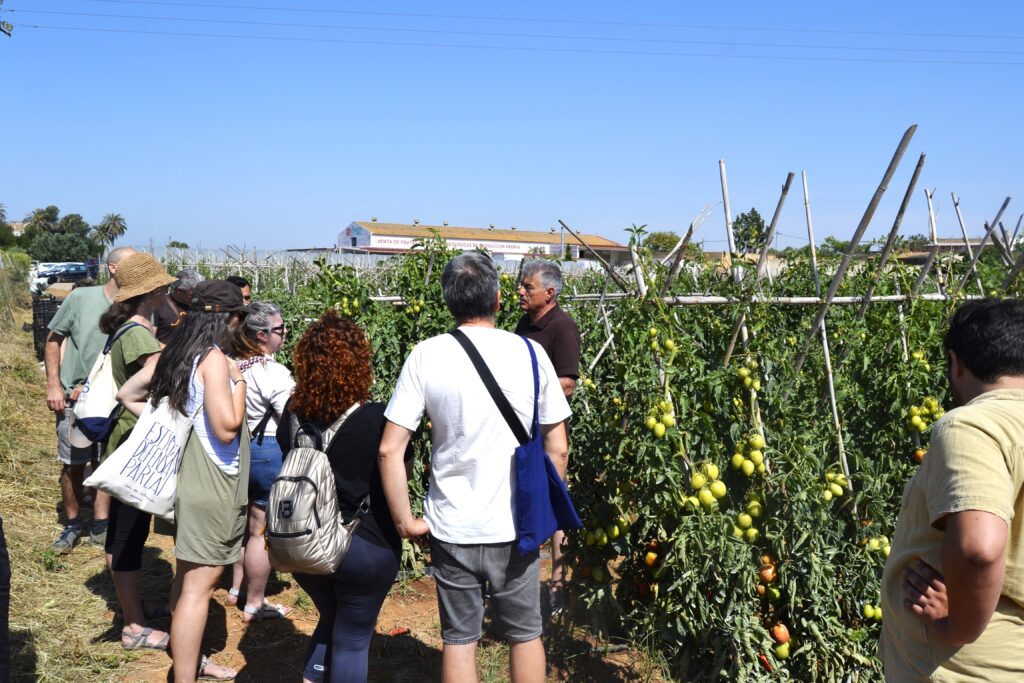
The Living Lab builds on the Horta-Cuina initiative, a collaborative agroecological network connecting producers, schools, municipalities, catering teams, families, researchers and civil society organisations through school canteens and public food procurement.
The Living Lab operates across the agricultural regions surrounding Valencia, l’Horta de València, where small-scale vegetable production, citrus cultivation, traditional irrigation systems and local food traditions remain central parts of the landscape. Producers collaborate through cooperative structures connected to Mercavalència, including Ecotira and the historic Tira de Comptar distribution system, supporting short supply chains between local farms and public kitchens.
The work is led by the University of Córdoba (UCO), under the coordination of Professor David Gallar, together with regional partners and agroecological producers across the Valencian food system. A central focus of the Living Lab is the role of school canteens and public procurement as leverage points for agroecological transformation. Through participatory collaboration between producers, schools, kitchen teams, families, municipalities and researchers, the Living Lab develops territorial food systems based on seasonal, local and organic food while strengthening relationships between food production, education and public health.
The Living Lab also explores how agroecological transition can support the economic and organisational viability of local producers. Current work includes strengthening cooperative logistics, improving production coordination, supporting menu adaptation processes, refining cost and planning tools, and developing mentoring structures for schools and catering companies.
Today, the Horta-Cuina network includes more than 20 agroecological producers cultivating approximately 160 hectares of organised production and supplying more than 45 schools with over 13,000 meals based on local, seasonal and organic products. The Living Lab also contributes to political dialogue and institutional learning connected to sustainable food procurement and regional food system governance in Spain.
By connecting agroecological farming, cooperative organisation, public procurement and food culture, the Valencia Living Lab contributes to protecting l’Horta de València as a living agricultural landscape while developing practical pathways for resilient and place-based food systems transformation in southern Europe.
JerteLab, Extremadura
The Extremadura Living Lab is located in Valle del Jerte in northern Extremadura, one of Spain’s most distinctive mountain agricultural landscapes. Situated between the Sierra de Gredos and the wider Sistema Central mountain range, the valley is characterised by steep slopes, terraced farming systems, forests, rivers and small mountain villages shaped through centuries of small-scale agriculture and water management.
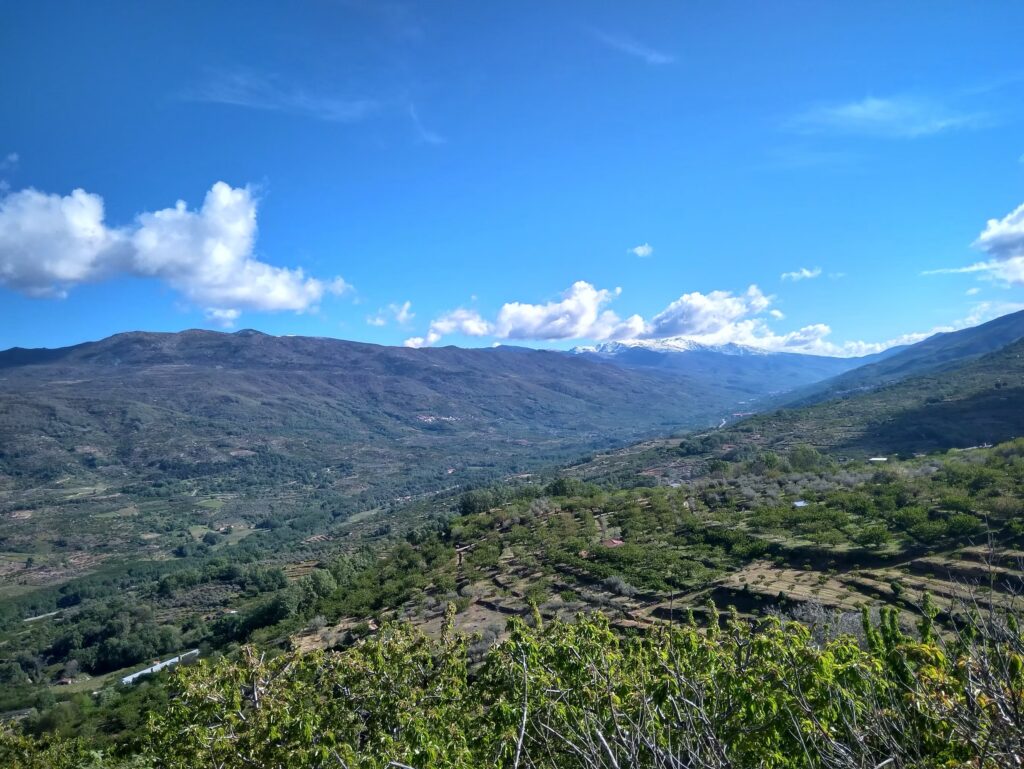
Valle del Jerte is internationally known for its cherry production and the annual flowering of more than one million cherry trees across the valley’s terraced slopes. The landscape represents one of Europe’s most specialised and culturally significant mountain farming systems, where agriculture, biodiversity, local knowledge and rural livelihoods remain closely interconnected.
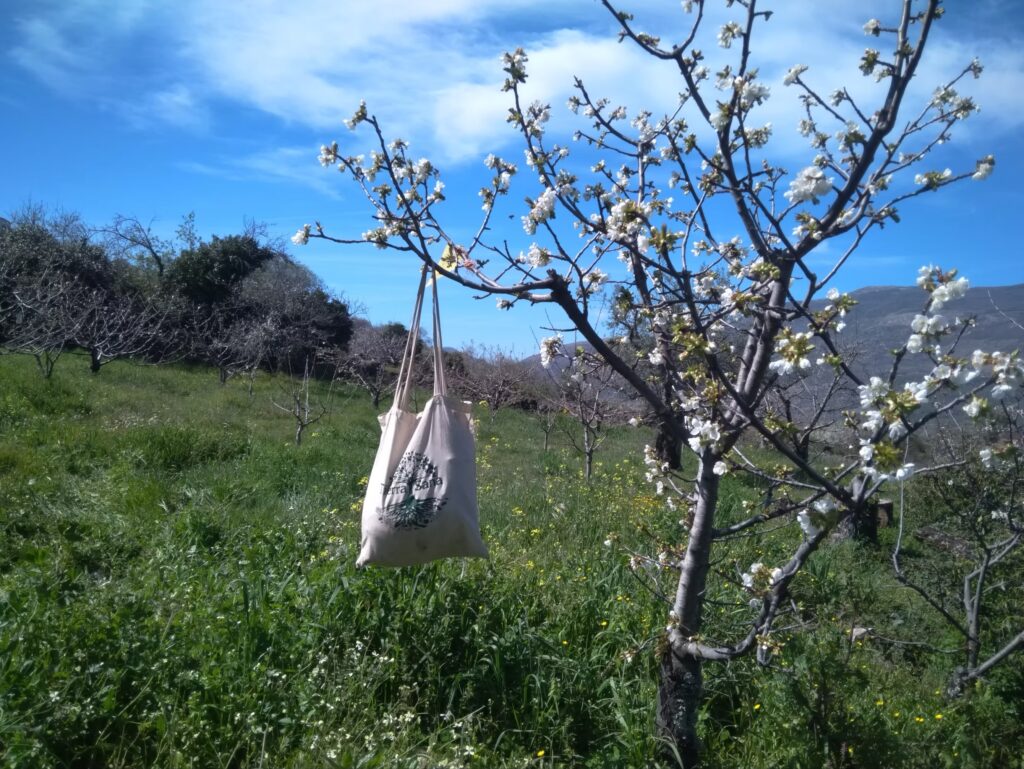
The region forms part of Extremadura, an area recognised for its extensive agricultural landscapes, ecological value and relatively low levels of urbanisation. In Jerte, traditional terraced farming, forests, mountain streams and small-scale production systems continue to support high levels of biodiversity and strong local agricultural traditions.
The JerteLab Living Lab is led by the University of Extremadura (UEx) under the coordination of Professor Ángel Calle and builds on local agroecological networks and producer organisations in the valley. The Living Lab brings together agroecological farmers, cooperatives, researchers, technical advisors and local organisations to explore practical pathways for agroecological transition rooted in local knowledge, participatory learning and territorial collaboration.
A central part of the Living Lab is the collaboration between agroecological producer groups such as Tierra Sana and the Ecojerte cooperative network. Together, they support small-scale producers through applied research, knowledge exchange, short food supply chains and cooperative distribution structures connected to the local food economy.
The Living Lab builds on participatory “campesino-a-campesino” methodologies centred on farmer-to-farmer learning, collaborative experimentation and co-creation of agroecological practices. Through field-based learning processes, producers work together to test ecological approaches for pest and disease management, including biological alternatives to conventional treatments for anthracnose in cherry production. Participatory applied research currently involves several research farms across the valley together with open knowledge-sharing processes among producers and technical actors.
The Living Lab also explores how short food supply chains and public procurement can strengthen the economic viability of agroecological farming in mountain regions. Current work includes participatory research on how local agroecological producers can supply public and collective consumers, including elderly residences and community food initiatives, while strengthening local coordination and regional food resilience.
Another important focus of the Living Lab is the participatory adaptation of agroecological assessment tools, including contextualised approaches based on the FAO TAPE framework. The work aims to develop locally grounded methods for evaluating agroecological transition processes while supporting collaborative learning, self-assessment and long-term territorial development.
Through participatory governance, farmer-led innovation and applied agroecological research, the JerteLab Living Lab contributes to the preservation and transformation of Valle del Jerte as a living mountain agricultural landscape while developing practical pathways for resilient and place-based food systems transformation in southern Europe.