Portugal

The Portuguese Living Lab

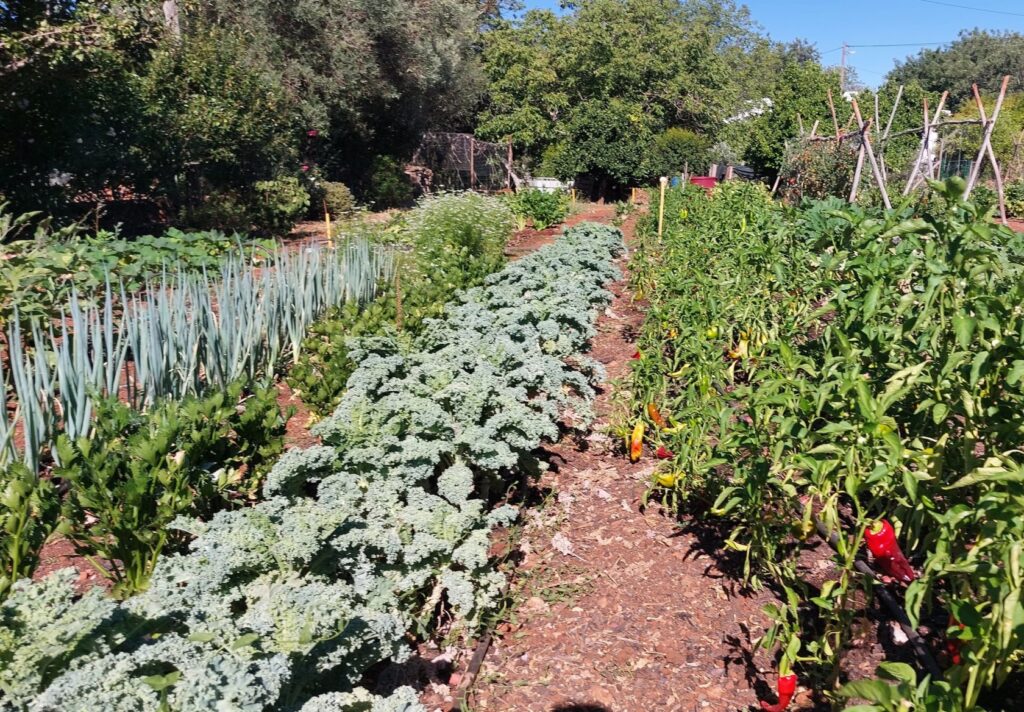
The Portuguese Living Lab is situated in the Algarve region in southern Portugal, a Mediterranean landscape shaped by centuries of agricultural production, traditional food cultures and diverse rural environments. Characterised by coastal areas, rolling hills and agricultural landscapes, the region represents an important setting for exploring pathways towards resilient and sustainable food systems in southern Europe.

Algarve organic food, cooking demonstrations and workshops. Source: https://www.theportugalnews.com/news/2024-11-26/algarve-organic-food-cooking-demonstrations-and-workshops/93795

The Algarve is closely associated with the Mediterranean Diet, recognised by UNESCO as Intangible Cultural Heritage. In the region, the Mediterranean Diet represents more than a way of eating; it connects local food production, cultural traditions, biodiversity, public health and community wellbeing. Agriculture and food continue to play an important role in shaping the landscape, identity and territorial development of the region.

The Portuguese Living Lab is led by FCiências.ID – Association for Research and Development of Sciences under the coordination of Professor Sara Magalhães. The Living Lab brings together municipalities, producers, schools, researchers, public authorities and civil society organisations to explore pathways for agroecological transformation through stronger connections between local production, public procurement and territorial food governance.

A central focus of the Living Lab is the role of school meals and public procurement as leverage points for food systems transformation. The work explores how local and seasonal food can be better integrated into public food services while strengthening relationships between producers, municipalities, schools and consumers.

The Living Lab builds on existing regional initiatives connected to sustainable food systems, the Mediterranean Diet and local food networks, including experiences from GrowLIFE and Caravana Agroecológica, which have supported collaboration and knowledge exchange across the Portuguese food system.

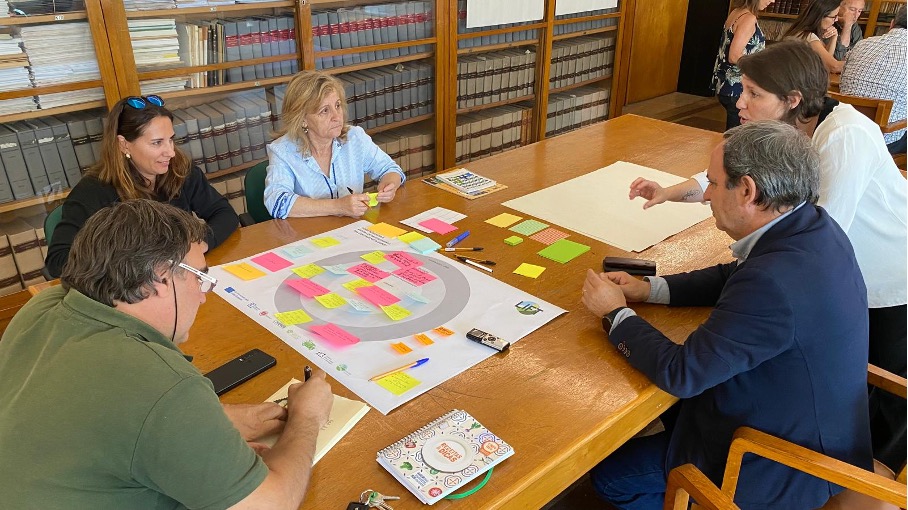
Through participatory processes, systems thinking and collaborative learning, stakeholders work together to identify opportunities, develop shared visions and support practical actions for change.

Current work focuses on strengthening coordination across the food system, improving connections between local producers and public institutions, and exploring how territorial food governance can support more resilient and sustainable food systems. Particular attention is given to the organisational and logistical conditions needed to increase the use of local food in school meals.

The Portuguese Living Lab explores how agroecological food systems can contribute to environmental sustainability, healthier diets, stronger local economies and greater regional resilience. Through participatory governance and place-based experimentation, the Living Lab contributes to the development of practical pathways for food systems transformation in southern Portugal.